
Our three-day trip to northern Sweden took us to explore the mining industry in Norrbotten first-hand. The aim was to visit the key mining sites in northern Sweden, meet local stakeholders and hear directly from them about the needs and areas for development in mining operations and future projects. The delegation included representatives from the member organisations of Raahen Seudun Kehitys and Mining Finland.
Monday 9 November – heading for Kiruna
The coach set off from Raahe in the morning, but for my part, the journey began in Oulu, where I had travelled by train the previous evening.
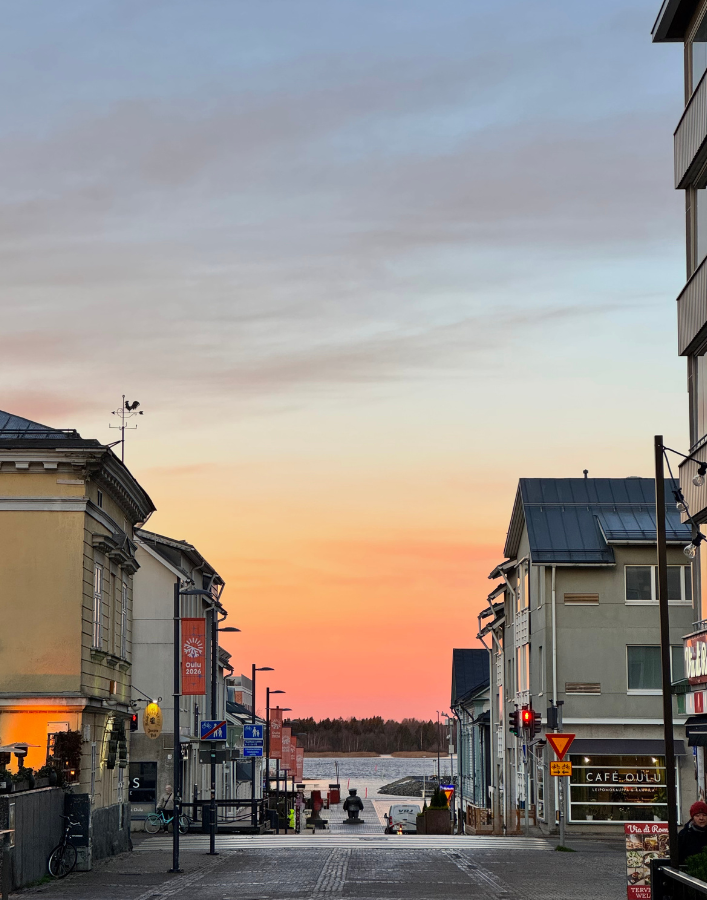
From Oulu, we travelled to Tornio, where we visited the Border Advisory Service. Before heading to the actual mining sites, it was useful to address the practicalities of entering the Swedish market: what does a Finnish company need to bear in mind when operating in Sweden, and what should one be prepared for when entering a new market? The message from the experts was very clear: it is worth setting aside sufficient time for the practical arrangements, as Swedish regulatory requirements differ in some respects from those in Finland, and it is therefore not possible to avoid the paperwork. From EPSE’s perspective, it is important to take into account, at the very least, the validity of various safety and qualification certificates west of the border.
After this, we set off for Kiruna. The long bus journey also provided a good opportunity to get to know the other companies on the trip and get to know their representatives before the next day’s mine visits. Thank goodness nobody demanded karaoke, so we were spared that.
Tuesday 10 November – LKAB and Viscaria, Kiruna
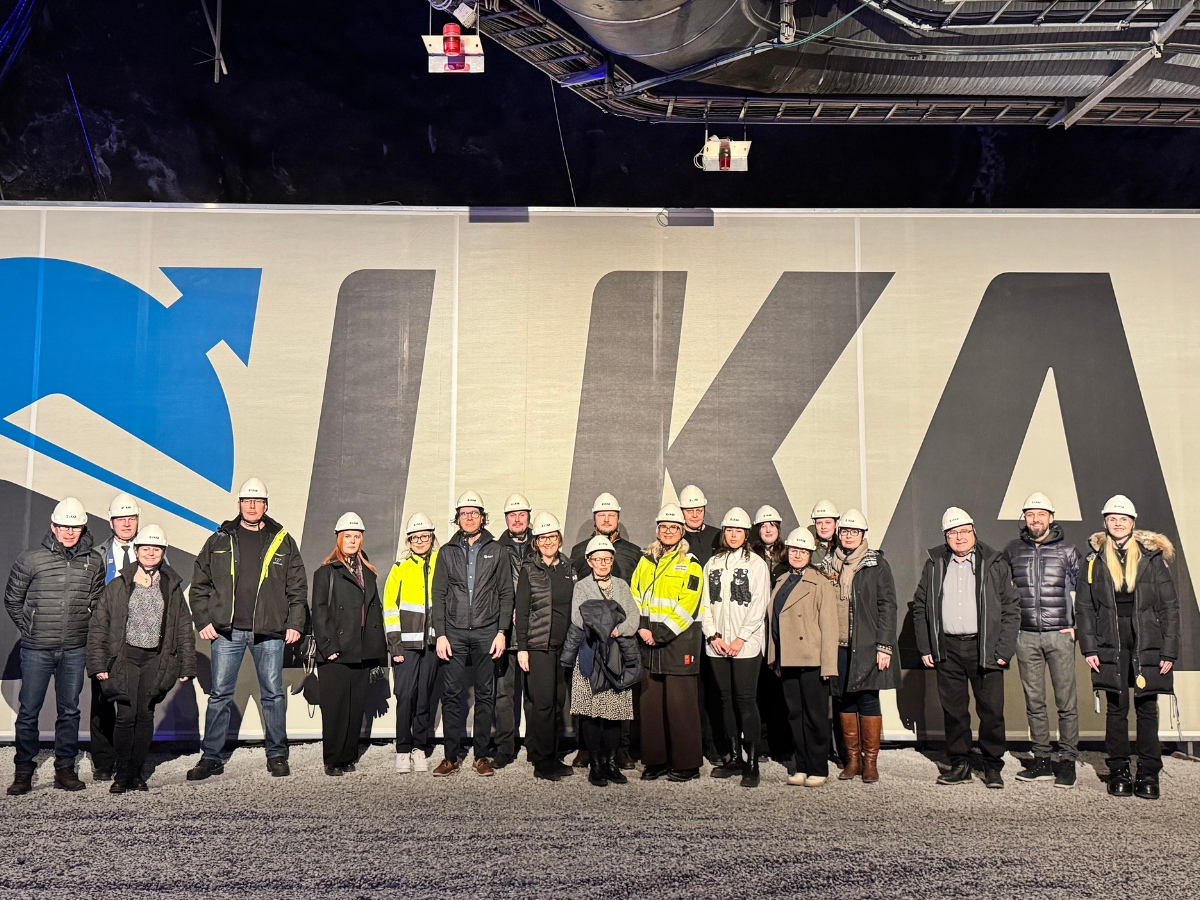
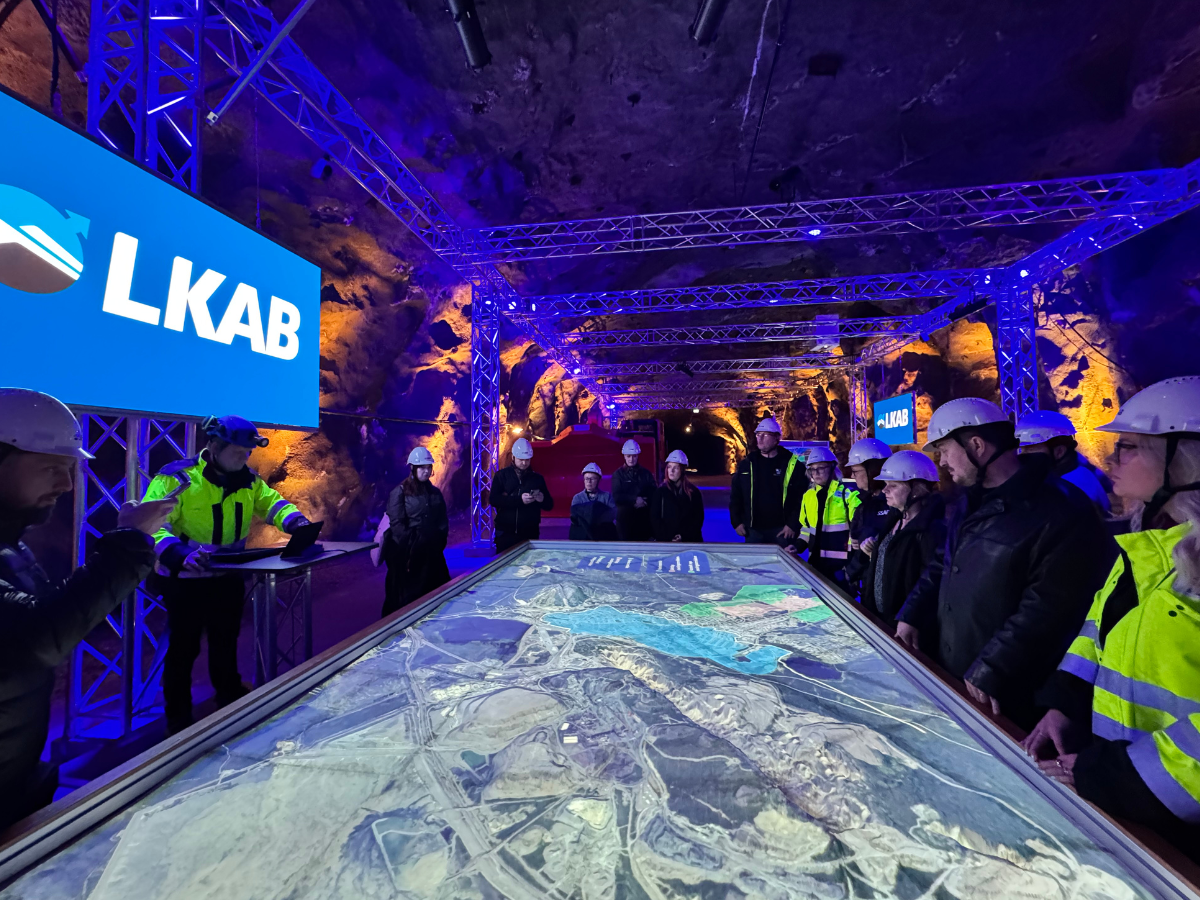
Tuesday was the first proper day of mining visits on the trip. The morning began at LKAB’s Kiruna mine, where we were taken down to the visitor centre located 540 metres underground. LKAB Kiruna is an underground iron ore mine where the Kiirunavaara deposit, which has a very high magnetite content, is mined. Mining operations began on an industrial scale as early as the late 19th century, and today LKAB describes it as the world’s largest underground iron ore mine. During the visit, we learnt about LKAB’s operations and discussed business and collaboration opportunities. At the same time, we gained a concrete picture of the enormous scale on which operations in the area are conducted. It is clear that LKAB not only faces a labour shortage but is also constantly on the lookout for new suppliers and service providers. Unemployment in the Norrbotten region is very low compared with the rest of Sweden, and competition for skilled workers in the mining sector is fierce: there are many mining companies operating in the region and the villages are small.
The relocation of the town of Kiruna seems absurd to an outsider. The project’s cost is estimated at around 2.5 billion euros, and this comes as no surprise to tourists either: the buildings in the new town centre are stylish and the new town hall is simply dazzling. There is also a very peculiar, even eerie atmosphere in Kiruna. From the bus window, we marvelled at the magnificent church, which had been moved some five kilometres from its original site and now stands majestically in its new location, whilst the new buildings practically gleam with their newness. Meanwhile, elsewhere, houses awaiting demolition – or already half-demolished – stand gloomily, awaiting their fate. (I now, somewhat unexpectedly, understand the 2023 Swedish film Avgrunden a little better; it is a dramatised disaster film shot in Kiruna).
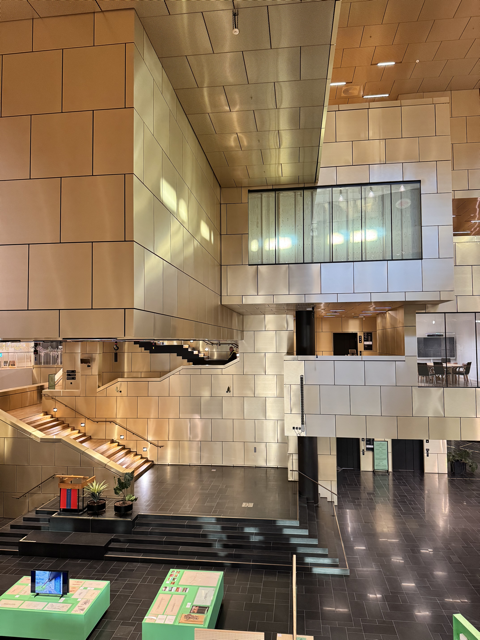
In the afternoon, it was time to visit the Viscaria mining site. Mining operations were already taking place in the area in the 1980s and 1990s, but the operation was discontinued and the mine closed when demand for copper fell shortly before the turn of the millennium. Since then, needs have changed; society is moving towards renewable energy sources, and metals are a key factor in this transition. (Viscaria). The visit offered a different perspective on the mining industry in Norrbotten and an opportunity to discuss the requirements of the developing mining project with the project and procurement organisation. At Viscaria, the view from the bus windows revealed a hive of activity; everywhere, construction and preparations were underway for April 2028, when the first batch of concentrate is scheduled to leave the mine.
The day ended with the journey from Kiruna to Jällivaara.
Wednesday 11 November – Boliden Aitik, Gällivara
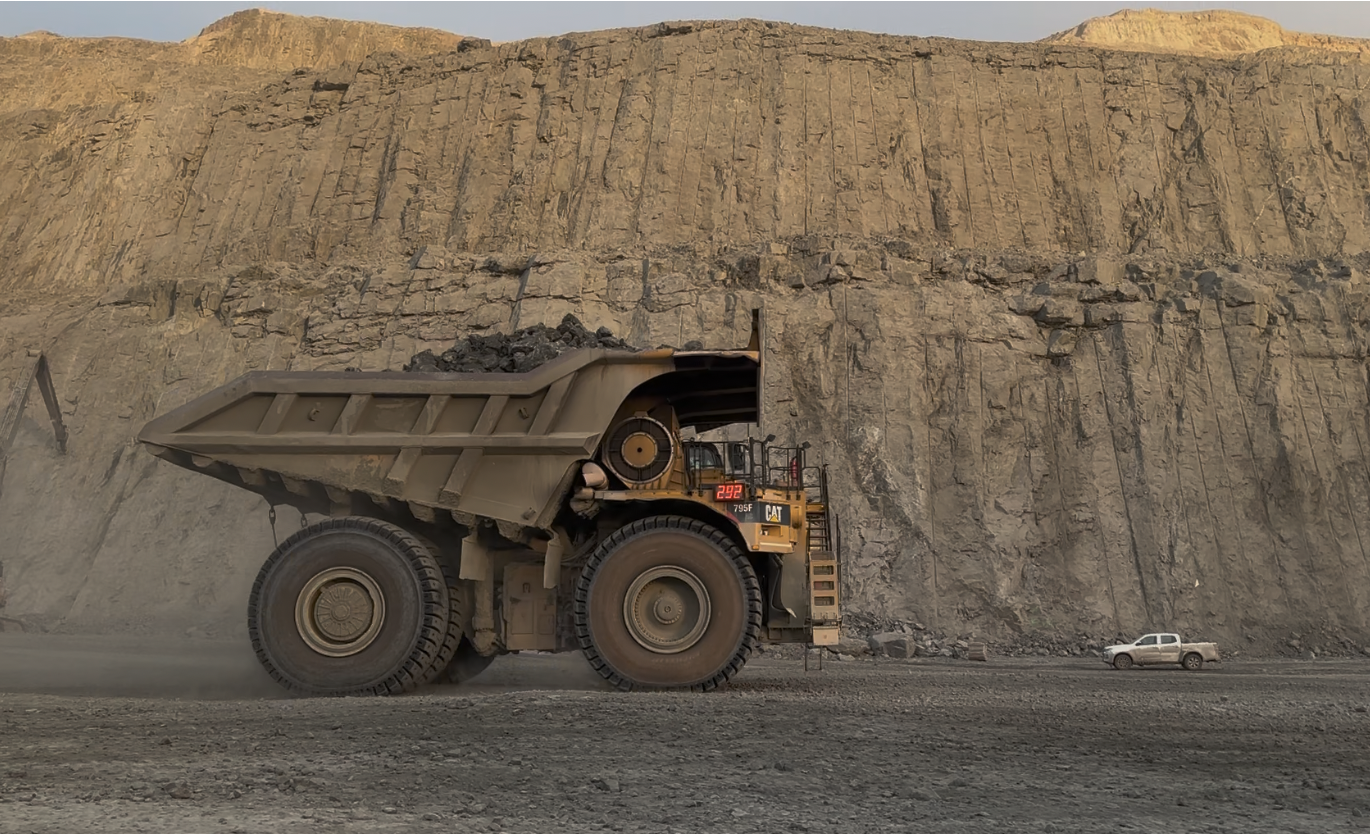
The final mine visit of the trip took us to Boliden Aitik, enormous open pit copper mine in Gällivara. During the morning, we heard about Boliden’s operations, presented the expertise and solutions of the participating companies, and explored the mining area on a tour. We gained a concrete sense of the enormous scale of the mining operations simply by watching the dumper truck traffic: house-sized mining lorries were hauling tonnes of ore to the crushing plant non-stop. As the ore grade at Aitik is low (0.15–0.20), the scale of operations must be enormous for it to be profitable. Boliden faces the same situation as LKAB, meaning that it is constantly seeking employees, suppliers and subcontractors.
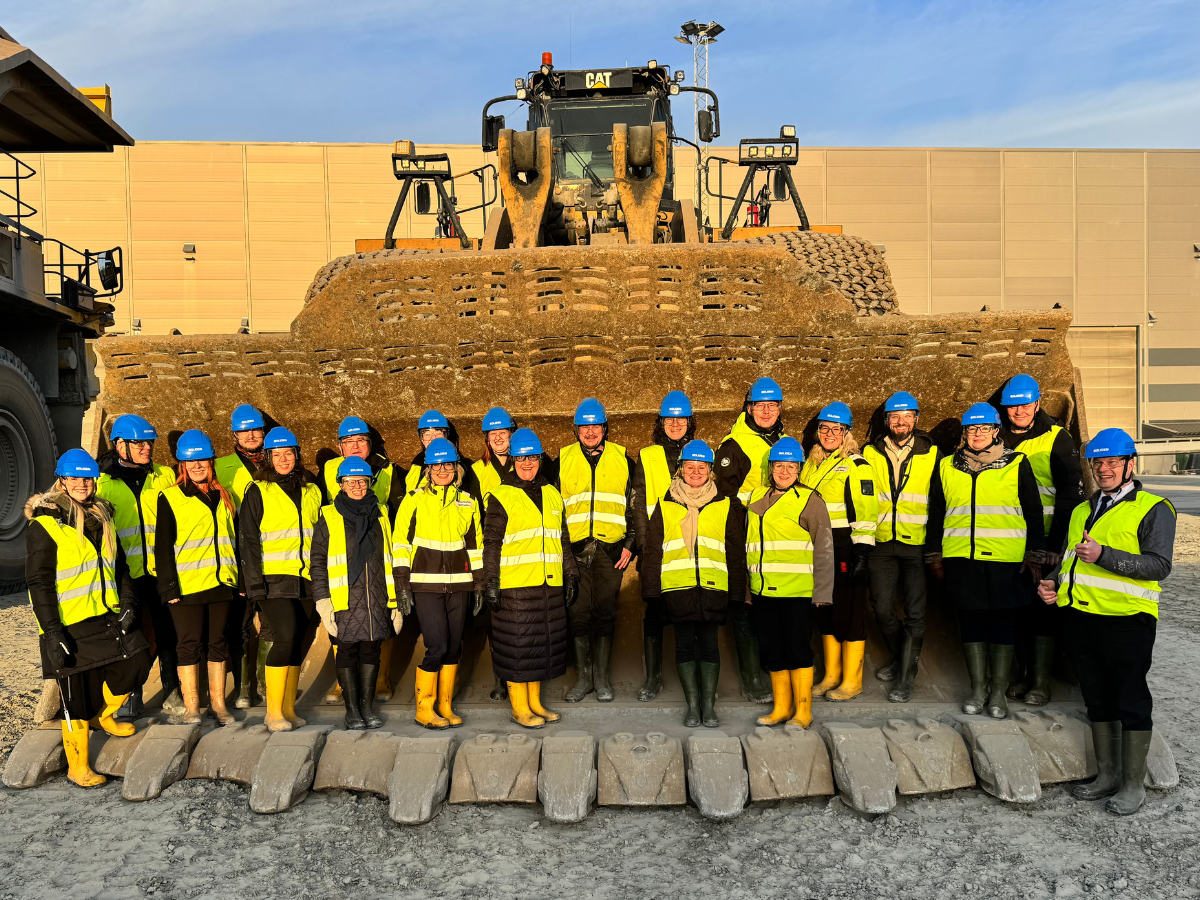
After visiting the third mining site, we already had a fairly comprehensive picture of the needs and opportunities associated with the mining industry in Norrbotten.
From EPSE’s perspective, the trip offered, above all, an opportunity to listen to mining operators and discuss matters with them face to face. Water treatment, water recycling, metal recovery and long-term water management are issues where understanding the practical needs of the mines is just as important as the technology itself.
A diverse group of representatives from the industry had set off on the trip, and the team spirit was high throughout the journey. There were a few tense moments along the way, but the driver’s professionalism and the group’s excellent teamwork proved their worth, and everyone was certainly left with fond memories of the trip.
Special thanks for the arrangements go to Janica Mäyrä of Raahe Region Development and Minna Jakobsson of Viexpo.
This article was written by
Anni Honkonen
EHSQ Manager
anni.honkonen(a)epse.fi
Follow EPSE in social media!


