

In honor of International Women’s Day, celebrated on Sunday, March 8, and the upcoming day of Finnish equality activist Minna Canth, we interviewed our staff about equality and its various themes. Some of the responses called for change, while others emphasized how far we have already come.
Clarity in equality work
The content of EPSE’s equality work has remained somewhat vague to staff and has mainly manifested itself as linguistic consideration towards staff who speak other languages. Depending on calculation method, EPSE currently employs 15–25% non-native Finns and 30–40% women. However, there are currently no women in senior management or on the board, which reflects the structures of industry, and the mining industry in particular, which are slow to change. There isn’t a specific recruitment policy at EPSE, either, and as recruitment is not anonymous, there is always a possibility of bias or the influence of unconscious prejudices, even though conscious efforts are made to avoid this. However, the company does not operate in a stale atmosphere. At EPSE, young women participate in and lead projects, even in demanding and challenging operating environments, which is unusual in many target countries. This also paves the way for future leadership roles. Clarity in both recruitment and the content of equality work will hopefully be brought about by the diversity and inclusion policy to be developed in 2026, which will become part of EPSE’s administrative policies to guide decision-making and operating models.
Gender segregation of career paths
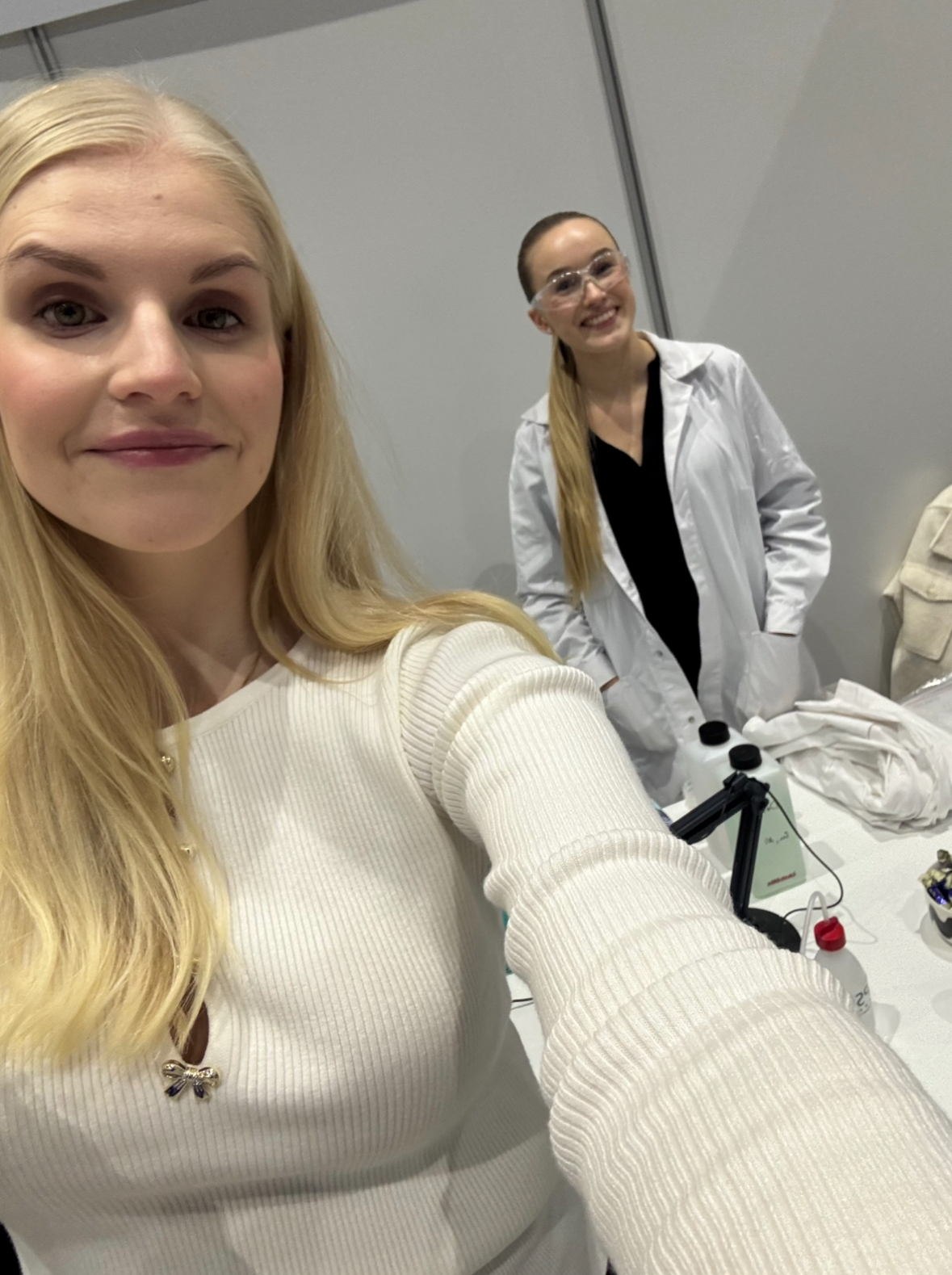
Chemists are often men, and laboratory assistants are almost without exception women. A couple of decades ago, the gender distribution of laboratory assistants who graduated was very clear: men accounted for only a tiny proportion of graduates, recalls one of EPSE’s laboratory experts. Even in the 2020s, the educational paths of girls and women differ significantly from those of boys and men in almost all OECD countries: In STEM fields (science, technology, engineering, mathematics), the majority of students are boys and men, while in education, health, and welfare fields, the majority of students are girls and women. In Finland, the gender gap in these fields is even greater than the OECD average in higher education (Valtioneuvosto 2024). This is also highlighted in other interview responses: inequality in working life is seen as largely because many fields are still strongly gendered, which has its roots in education and cultural expectations. Girls are often encouraged to be kind, cooperative, conscientious, and caring. Boys are generally encouraged to be more independent, take risks, and compete. When these expectations start early on, they show up later in things like career choices, applying for leadership roles, and even salary negotiations. For example, men negotiate their salaries more often than women on average, which contributes to the pay gap. Salary systems should be more transparent and linked to the demands of the job and the individual’s skills. When salaries are based on clear criteria rather than negotiation skills or informal practices, the differences tend to narrow.
Diversity as an advantage
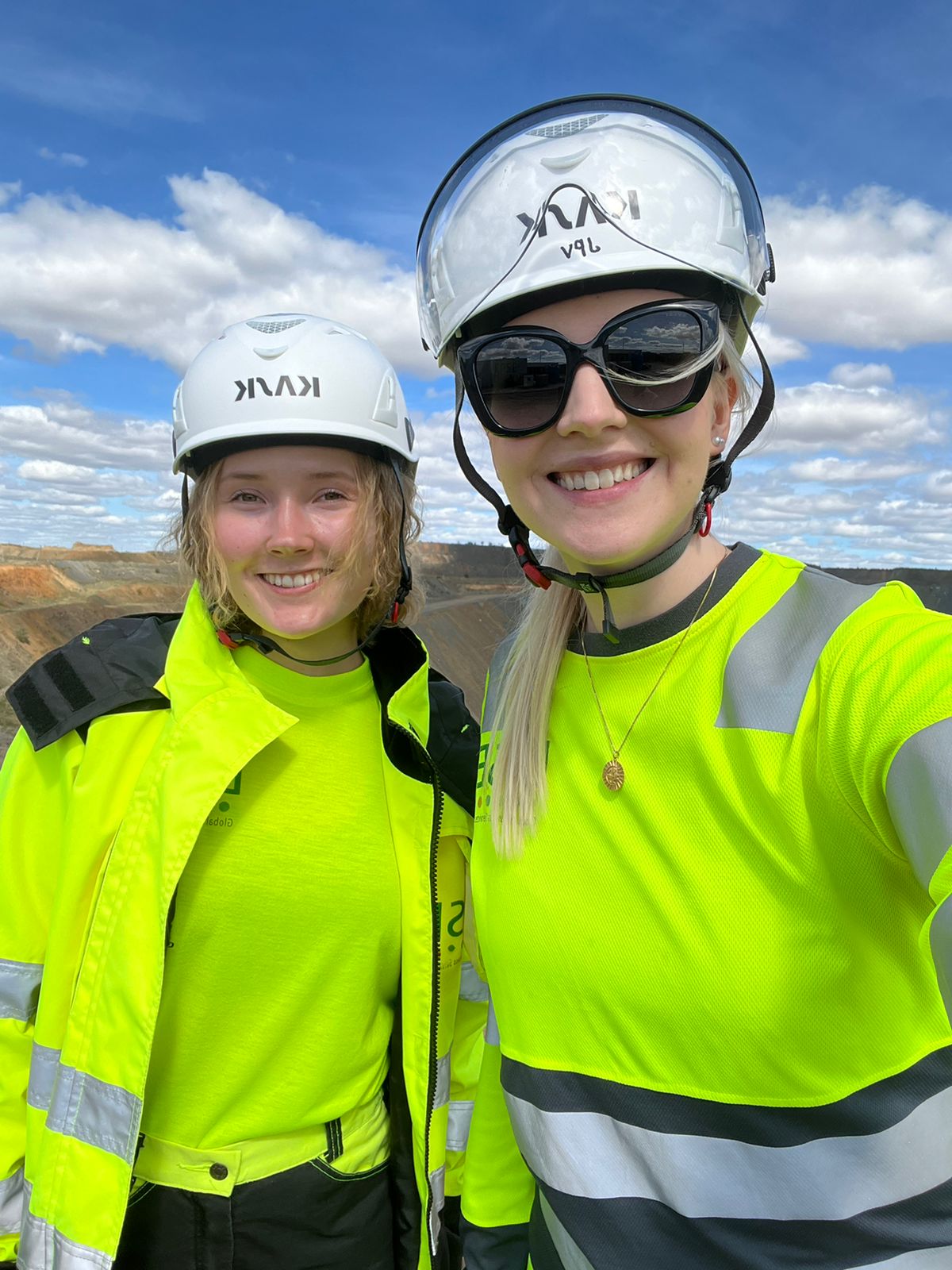
The importance of role models should not be underestimated either. What we see in everyday life, in the media, and all around us shapes our perceptions of what kind of career paths are possible. Last year, female representatives from EPSE visited a career path event aimed at middle and high school students with the hope of setting an example, especially for girls interested in technology and natural sciences. However, it should be remembered that women are not the only population group that suffers disproportionately from inequality. Other groups that are generally considered to be in a weaker position in the labor market and society as a whole and who often face discrimination because of their group membership are immigrants, their descendants, and ethnic minorities, LGBT+ people, older people, and people with disabilities (OECD 2020). Diversity offers opportunities if it is managed appropriately and if the full potential of a diverse population can be fully exploited. An inclusive labor market plays a key role in harnessing diversity at a time when there is a constant demand for improved productivity, competitive advantage, and differentiation in the global market.
Finnish equality
Equality is a core value for many of our employees, but there are threats to its future both in Finland and around the world. In addition to gender equality, there are concerns about equality in terms of wealth, health, and age, which are feared to deteriorate as Finland dismantles its welfare state model and the world at large drifts into a dependency ratio crisis. One respondent points out that in recent decades, Finland has become increasingly divided into upper and lower classes, and that an informal gig economy, a grey economy, and violent organized crime have emerged in our country. There is still a need for equality work in Finnish working life, even though the situation has improved over the last ten years. For example, girls are no longer belittled or disparaged in the same way as before: one of our respondents recalls how she “had to prove that she was as good as the men.” Despite wage statistics published by trade unions to increase wage transparency, the wage gap between men and women still exists, and there are still significantly more (white) men in management positions than people belonging to disadvantaged groups, such as women or immigrants. There is legitimate concern that Finland will lose its workforce as a result of structural discrimination in the workplace. Reliable verification of non-Western educational backgrounds and skills is therefore an important area for development at the national level.
Reliable verification of non-Western educational backgrounds and skills is therefore an important area for development at the national level.
Working life in Finland is highly regulated, and professional interaction takes place within a strictly defined framework. The advantages of this are minimal corruption, high reliability, and a good work-life balance that emphasizes individual freedom. For example, the French have expressed surprise and praise at how Finland is ahead in terms of parental leave and gender equality. The weaknesses of Finnish working life include the administrative burden, especially for small businesses and innovative operators, as well as regulations that can be seen as encouraging minimal work effort and even unemployment. EPSE staff have points of comparison with, for example, the work cultures of East Asia and Southern Europe.
What to do?
One of our respondents notes that curbing this threatening development would require increasing productivity at the societal level, which in turn raises questions about environmental perspectives – this is a difficult dilemma to resolve, as societies must, to some extent, choose between equality, a dignified life, the environment, and national security. The decisive work on equality is done by politicians, who are expected above all to make decisions. Sacrifices will have to be made, but the time for procrastination is over – decisions must be made. Both companies and governments can respond to the challenge of equality with policies that strengthen the participation of diverse groups and reduce discrimination in society, in the workplace, and in the labor market. An equal society brings social peace and therefore security and safety to all its members. Companies are concerned about the shortage of skilled workers, and political action is needed to enable sustainable productivity growth. Gender quotas and legislation on pay and parental leave are just the tip of the iceberg. However, measuring discrimination and the effectiveness of political measures can be difficult due to limited data, as most EU member states do not systematically collect data on ethnic background, race, and sexual orientation (OECD 2025).
Let’s make it personal
Equality is not achieved solely through policies and principles, but also by addressing stereotypes, belittlement, and inappropriate behavior in small everyday situations. In different communities, norms often change quite quickly when inappropriate behavior is addressed and not tacitly accepted, as one of our respondents sums up. Many people need to broaden their own worldview and see how many things they take for granted. Discussing the themes of equality is valuable and more important than ever. In times of polarization and confrontation, the ability to listen to others without provocation and, if necessary, to change one’s own opinions and views is a valuable skill. Make sure you keep yours.
Sources:
Valtioneuvosto. (2024) Education at a Glance: Sukupuolten väliset erot koulutuspoluissa suuria OECD-maissa – Suomen kuva kansainvälisessä vertailussa pitkälti muuttumaton. 10.9.2024. Available: https://valtioneuvosto.fi/-/1410845/education-at-a-glance-sukupuolten-valiset-erot-koulutuspoluissa-suuria-oecd-maissa-suomen-kuva-kansainvalisessa-vertailussa-pitkalti-muuttumaton.
OECD (2025) Combatting Discrimination in the European Union. Paris: OECD Publishing. Available: https://www.oecd.org/en/publications/combatting-discrimination-in-the-european-union_29c2c36a-en.html
OECD (2020) All Hands In? Making Diversity Work for All. Paris: OECD Publishing. DOI: 10.1787/efb14583-en. Available: https://www.oecd.org/en/publications/all-hands-in-making-diversity-work-for-all_efb14583-en.html
This article is written by

Anni Honkonen
EHSQ Manager
anni.honkonen(a)epse.fi
Follow EPSE in social media!


